Hydraulic Filter Cartridges
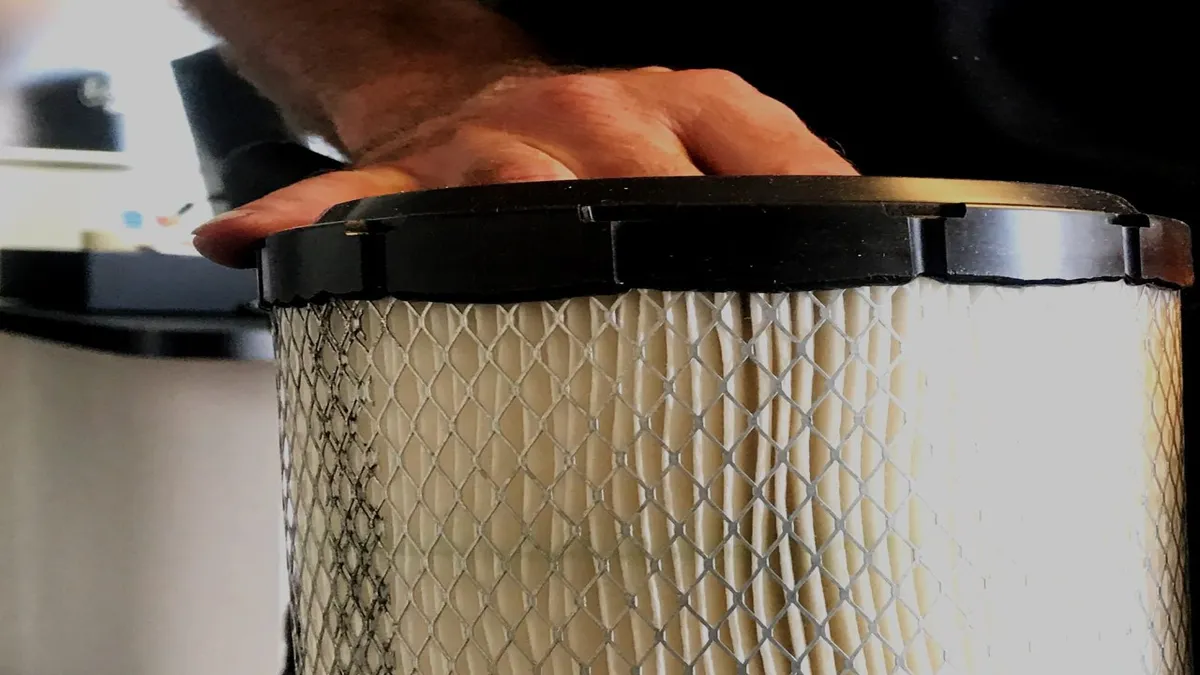
A hydraulic filter cartridge is the replaceable element inside a hydraulic filter assembly that removes particles from oil before they reach pumps, valves and cylinders. We manufacture return, suction and high-pressure cartridges in glass fiber and cellulose media — including drop-in replacements for common OEM series.
Why Hydraulic Filter Cartridges
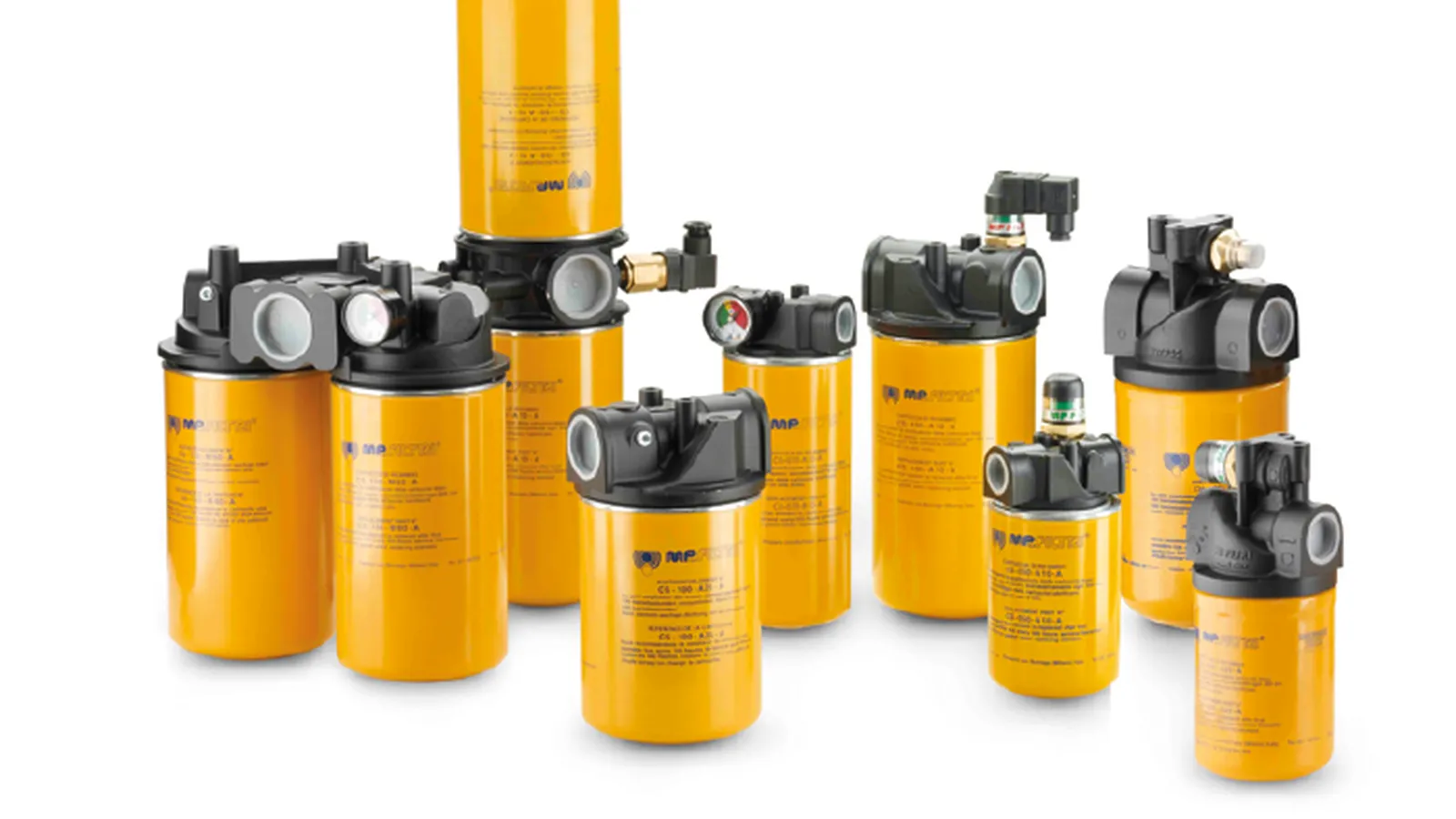
A hydraulic filter cartridge is the replaceable element inside a hydraulic filter assembly that removes particles from oil before they reach pumps, valves and cylinders. We manufacture return, suction and high-pressure cartridges in glass fiber and cellulose media — including drop-in replacements for common OEM series.
- Return line cartridges for reservoir-side filtration (typical 10-25 µm rating)
- Suction / tank strainers protecting the pump intake (typical 60-125 µm)
- High-pressure cartridges rated for working pressures up to 420 bar
- Glass fiber media with beta ratio matched to ISO 16889 multi-pass testing
- Stainless steel mesh options for high-temperature and chemical service
- Bypass valve and differential pressure indicator compatibility verified
- Cross-brand replacements available — see interchange range
- Per-lot inspection reports and sample program for qualification
WHY HYDRAULIC FILTERS
Clean Oil Is the Cheapest Insurance a Machine Has
Studies of hydraulic system failures consistently put contamination — not wear — as the leading root cause. A filter cartridge that costs tens of dollars protects pumps and valves that cost hundreds to thousands.
Protects Pumps & Valves
Abrasive particles score pump plates and spool valves. Keeping oil at the circuit's target ISO 4406 cleanliness level extends component life by a factor of two to five in dirty environments.
Extends Oil Service Life
Clean oil holds its viscosity and additives longer. Consistent filtration reduces oil change frequency — a benefit that often outweighs the element cost itself.
Cuts Unplanned Downtime
A seized pump stops a line. A stock of correctly-rated replacement cartridges turns a contamination event into a scheduled 30-minute change instead of a multi-day repair.
DECISION TABLE
Return vs Suction vs Pressure: Which Cartridge Goes Where
| Filter position | Where it sits | Typical rating | Protects |
|---|---|---|---|
| Return line | Between valves and tank | 10-25 µm, β ≥ 200 | Whole system — cleans all returning oil |
| Suction / tank strainer | Pump intake, inside reservoir | 60-125 µm coarse mesh | Pump only — large debris, low pressure drop |
| High pressure | Downstream of pump, upstream of valves | 3-10 µm, β ≥ 1000 for servo systems | Sensitive valves — finest protection point |
Ratings are typical guidance — final selection depends on circuit pressure, flow and ISO 4406 target cleanliness.
COST CALCULATOR
The Real Cost of Skipping a Filter Change
| Scenario | Cost |
|---|---|
| One hydraulic return cartridge (preventive change) | $15-40 |
| One variable displacement pump (typical replacement) | $500-2,500 |
| Servo valve (typical replacement) | $800-3,000 |
| Production line downtime per hour | $500-5,000+ |
Typical market ranges — actual values vary by machine and application.
KEY SPECS DEEP DIVE
What to Check Before You Order
Beta Ratio
The efficiency claim, measured under ISO 16889. β(x)c ≥ 200 means 99.5% of particles at size x are captured; β(x)c ≥ 1000 means 99.9%. Match the rating, not just the micron number on the box.
Collapse & Burst Pressure
Return line elements typically handle collapse around 10-30 bar; high-pressure elements must survive far more. ISO 2941 burst testing verifies the element holds under blocked flow.
Pressure Drop
Every element adds flow resistance. Initial pressure drop and dirt-holding capacity together decide service life — a low-cost element that clogs twice as fast is not a saving.
Seals & Threads
Buna-N, Viton or EPDM seals depending on oil type and temperature. Thread standards vary by origin — SAE, BSP, NPT, DIN 24550. We verify seal material and thread before quoting.
OEM / ODM FACTORY DIRECT
Private-Label Hydraulic Cartridges
Distributors and machine builders run their own hydraulic filter lines with our production. Your part numbering, your packaging, ISO 16889-documented performance — recurring revenue without a factory.
- • Private-label packaging with your part numbering system
- • Custom beta ratio, media and dimension runs
- • Sample qualification before volume production
- • Per-lot inspection reports included
- • CE / RoHS / REACH compliance support
WHAT TO SEND US
Circuit details or a part number
Filter position (return / suction / pressure), flow rate, working pressure and target cleanliness — or simply the existing element. Our engineers confirm the correct cartridge before you order.
POPULAR SEARCHES
* Search terms collected from Semrush competitor keyword data — contact us to discuss matching products.
FAQ
Questions Buyers Ask
What is the difference between return, suction and pressure filters?
Position in the circuit. Return filters clean oil flowing back to the tank, suction filters (strainers) protect the pump intake, and pressure filters sit downstream of the pump to protect sensitive components like servo valves. Each runs a different pressure class and typical rating.
How do I choose the right micron rating?
Match the beta ratio to the most sensitive component in the circuit. Servo and proportional valves typically need a β(x)c ≥ 200 element at a finer rating, standard directional valves tolerate coarser ratings. ISO 4406 target cleanliness levels for the circuit are the practical guide.
How often should hydraulic cartridges be changed?
Typical guidance is 500-1,000 operating hours or when the differential pressure indicator trips, whichever comes first. Fixed-interval changes waste money on clean elements; ignoring the indicator damages components. Use the indicator, not the calendar.
Can I use a different media than the original?
You can, but only if the beta ratio and collapse pressure match the circuit requirement. A finer element protects better but clogs faster and can starve flow; a coarser element risks component wear. We match the original media class unless you specify otherwise.
Do you make elements for other brands' housings?
Yes — our interchange range covers Parker, Hydac, Mahle, Pall, Donaldson and Boll & Kirch housings. Send the part number or dimensions and we confirm fit before quoting.
What is the MOQ?
Sample orders start at one piece for qualification. Volume tiers apply from 50 pieces per line item, with container-level pricing on annual agreements.
How do you guarantee quality?
Every lot passes dimensional inspection, with bubble point or burst tests on sampled production. ISO 16889 performance test data is available on request for batch verification.
Can you supply for our OEM brand?
Yes. Private-label hydraulic cartridges with your part numbering and packaging are a core service — see the OEM section below.