
Machinery & Equipment Filtration
Filter cartridges and elements that keep machinery fleets alive: hydraulic systems, gearboxes, lubrication circuits, coolant systems and air lines. Cross-brand interchange elements for all major OEM families, factory-direct from PLEATPURE.
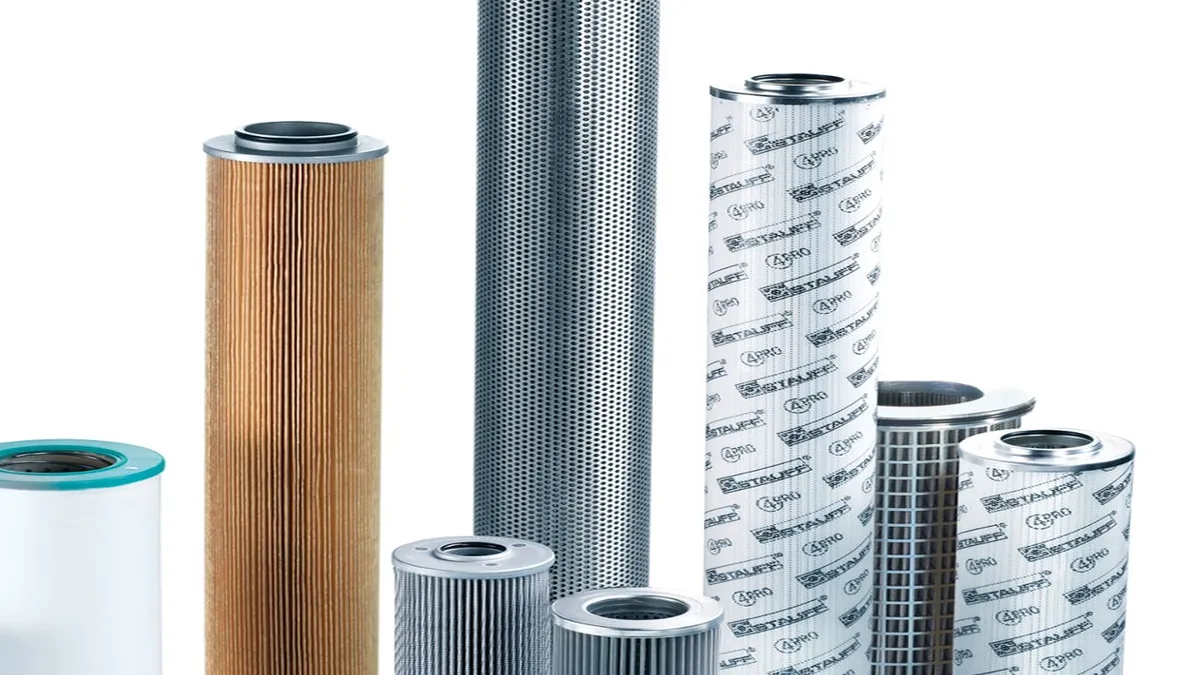
PLEATPURE filter cartridges for machinery & equipment filtration — factory-direct manufacturing.
Why Filtration Matters Here
Filter cartridges and elements that keep machinery fleets alive: hydraulic systems, gearboxes, lubrication circuits, coolant systems and air lines. Cross-brand interchange elements for all major OEM families, factory-direct from PLEATPURE.
- Hydraulic return, suction and pressure elements for presses, injection moulders and mobile machines
- Lube oil elements for gearboxes, compressors and circulating oil systems
- Coolant and cutting fluid filtration for CNC and machining centres
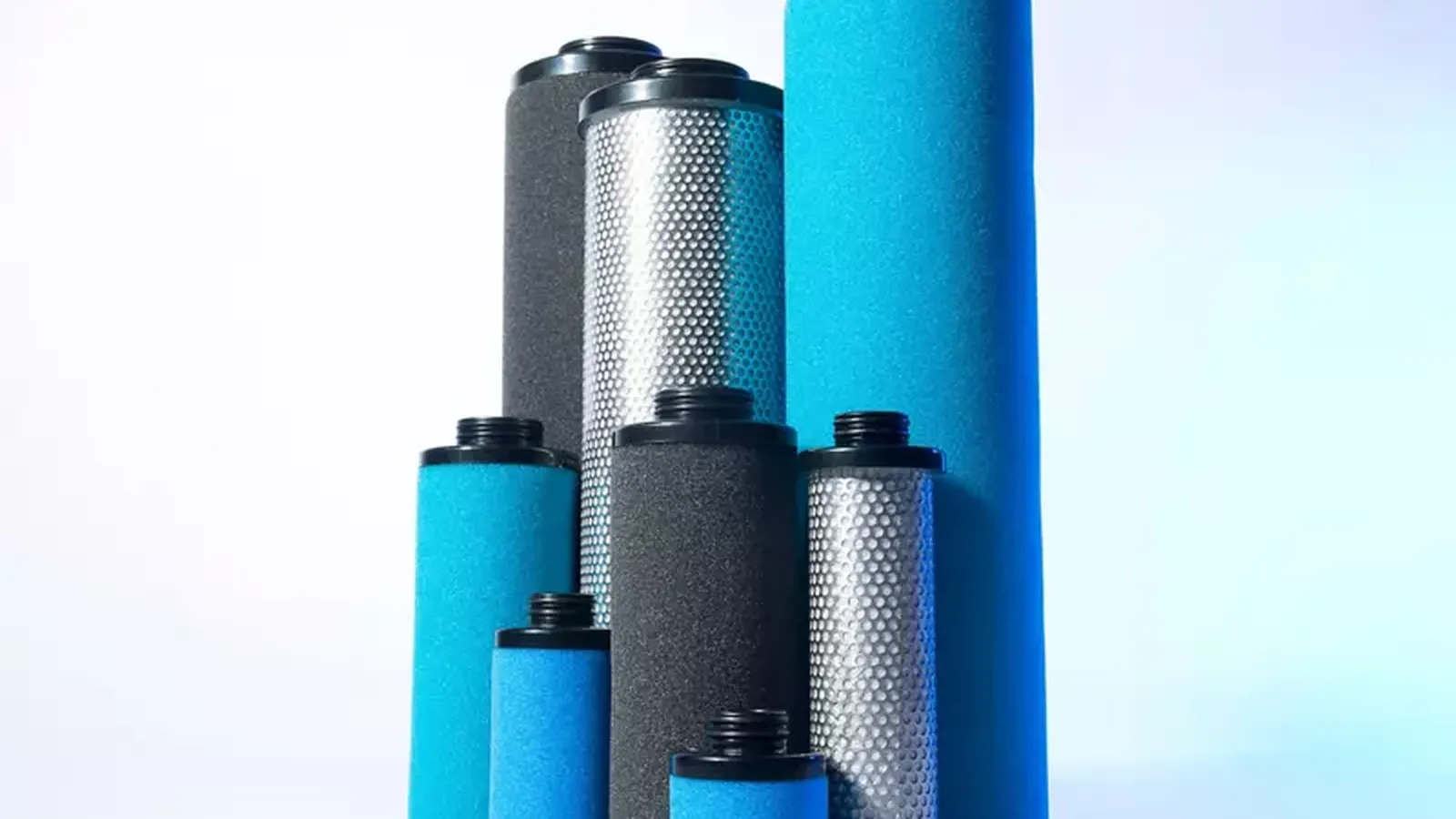
- Air compressor intake, oil separator and coalescing elements
- Cross-brand interchange fit for Parker, Hydac, Mahle, Pall, Donaldson and Boll & Kirch families (compatibility description)
- ISO 16889 tested media with beta-rated efficiency (typical)
APPLICATIONS
Filter Applications in Machinery & Equipment Filtration
| Application Point | Recommended Cartridge | Why |
|---|---|---|
| Hydraulic power units | Return element 10–25 µm + suction strainer | ISO 4406 cleanliness for pump and valve life — the return filter carries most of the load. |
| CNC coolant systems | Pleated cartridge or bag, 25–50 µm | Removes chips and fines that score slides and shorten tool life; keeps coolant from souring. |
| Gearboxes and reducers | Lube oil element 10–25 µm | Wear debris in gear oil accelerates pitting; filtration extends gear life 2–3×. |
| Air tools and pneumatics | Coalescing + particulate, 0.01–5 µm | Dry, clean air keeps cylinders and valves from sticking and water from freezing in winter. |
| Machine tool hydraulics | High-pressure element 3–10 µm | Servo valves need the tightest cleanliness class in the plant. |
SELECTION GUIDE
How to Choose Filters for Machinery & Equipment Filtration
1. Identify the circuit
Hydraulic, lube or coolant? Each has its own media, micron range and change interval. Never swap an element type across circuits.
2. Read the OEM part number
The OEM part number encodes size, media and beta rating. PLEATPURE cross-references it to an interchange element with the same dimensions and media class.
3. Match the micron to the component
Standard hydraulics 10–25 µm, servo/proportional 3–10 µm, gearboxes 10–25 µm, coolant 25–50 µm. Finer than needed costs money without protection.
4. Check the beta rating
βx(c) ≥ 200 means 99.5% removal at the rated micron. Demand the beta rating on the data sheet, not just a micron number.
5. Set the change trigger
Use the differential pressure indicator or oil analysis. Typical return element life is 500–1,000 hours; change on the indicator, not on fear.
CHALLENGES & SOLUTIONS
Common Filtration Challenges
Unexplained pump and valve failures
Check the return filter indicator and the oil analysis. Most hydraulic failures trace to a filter run past its change point — the indicator was ignored.
Coolant going rancid and tools wearing fast
Filter chips and fines to 25–50 µm and monitor the coolant concentration. Clean coolant extends tool life and skips the sour smell.
Cross-brand element confusion
Standardize on interchange elements by dimension family. One supplier, one media standard, one PO — the interchange guide covers the fit families.
Recommended Products for Machinery & Equipment Filtration
View all products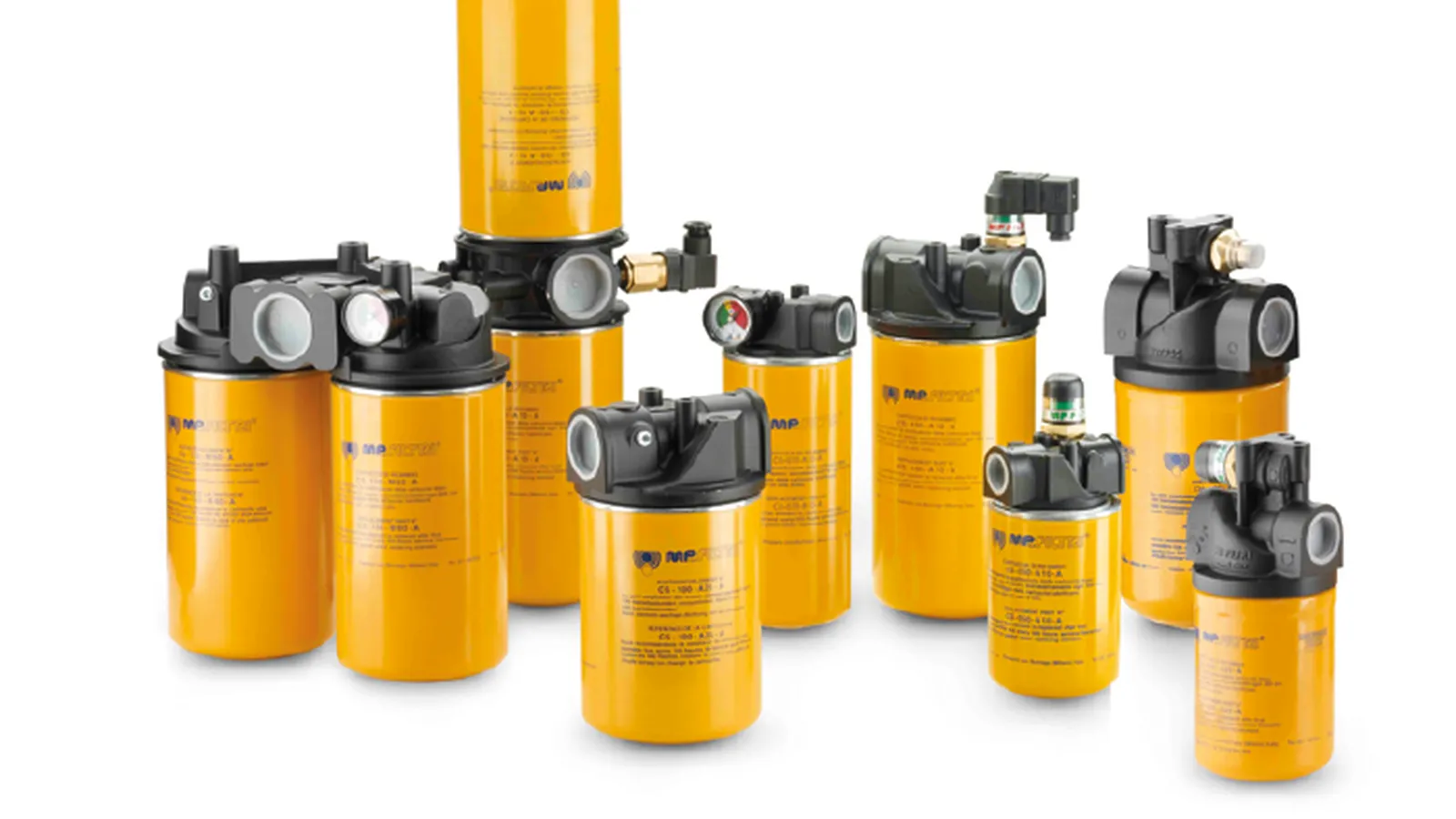
FAQ
Machinery & Equipment Filtration — FAQ
What micron rating does a hydraulic return filter need?
Typically 10 to 25 micron with a beta rating of 200 (99.5% efficiency). Servo and proportional systems use 3 to 10 micron. Match the rating to the most sensitive component in the circuit.
Can I replace OEM elements with interchange elements?
Yes, when the dimensions, seal type, media class and beta rating match. PLEATPURE verifies interchange elements against original dimensions and tests to ISO 16889. Compatibility is described by brand family, not by model number.
How often should machine filters be changed?
Hydraulic return elements typically 500 to 1,000 operating hours, or when the differential pressure indicator trips. Suction elements on a fixed 3–6 month check. Gearbox lube elements per the oil analysis or manufacturer interval.
What is the difference between return, suction and pressure filters?
Suction protects the pump from coarse debris, return catches wear debris before it recycles, pressure protects sensitive valves downstream. Each has a different micron range and change interval.
POPULAR SEARCHES
What Buyers Search in This Category
* Search terms collected from Semrush competitor keyword data — contact us to discuss matching products.